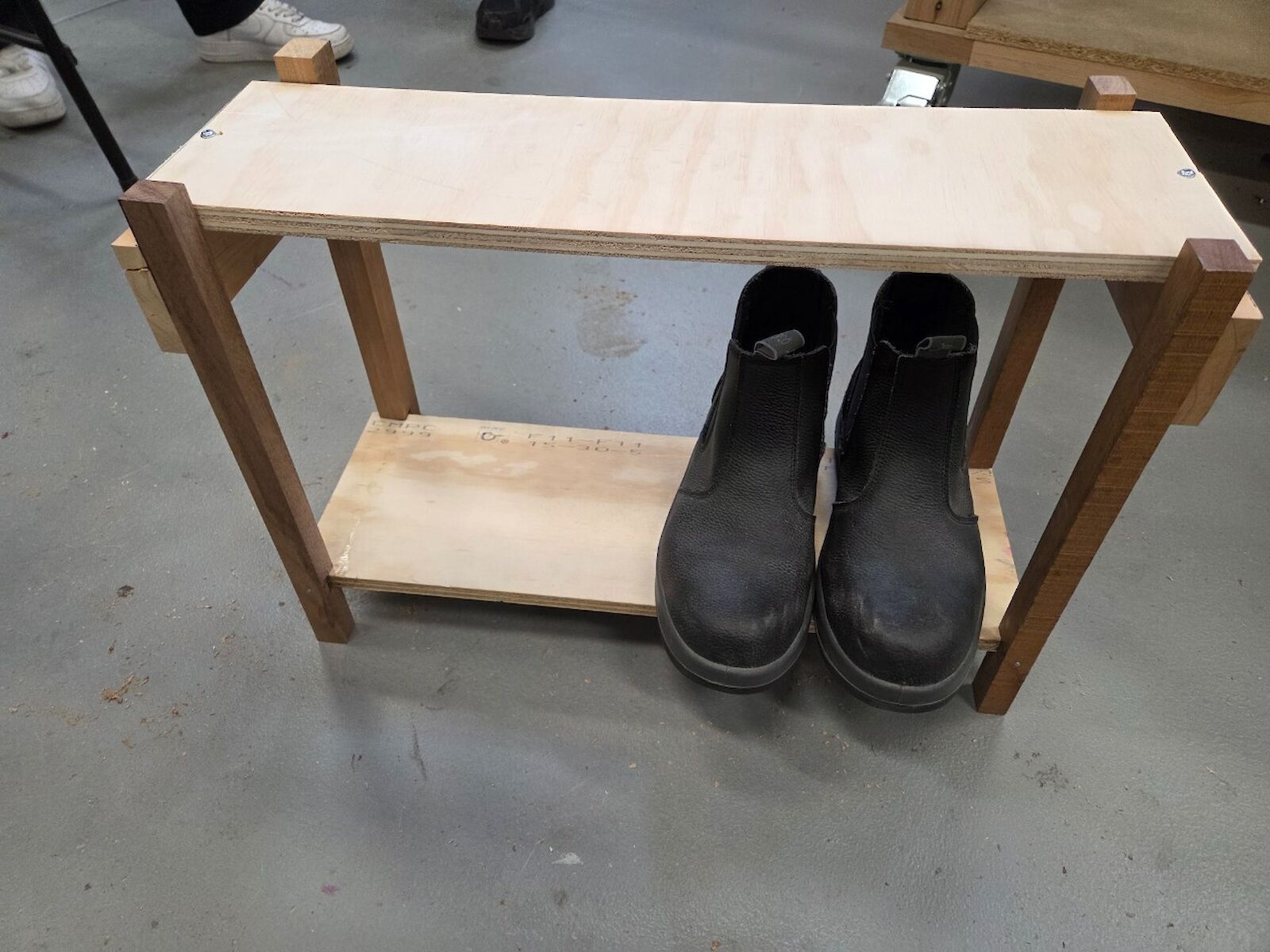
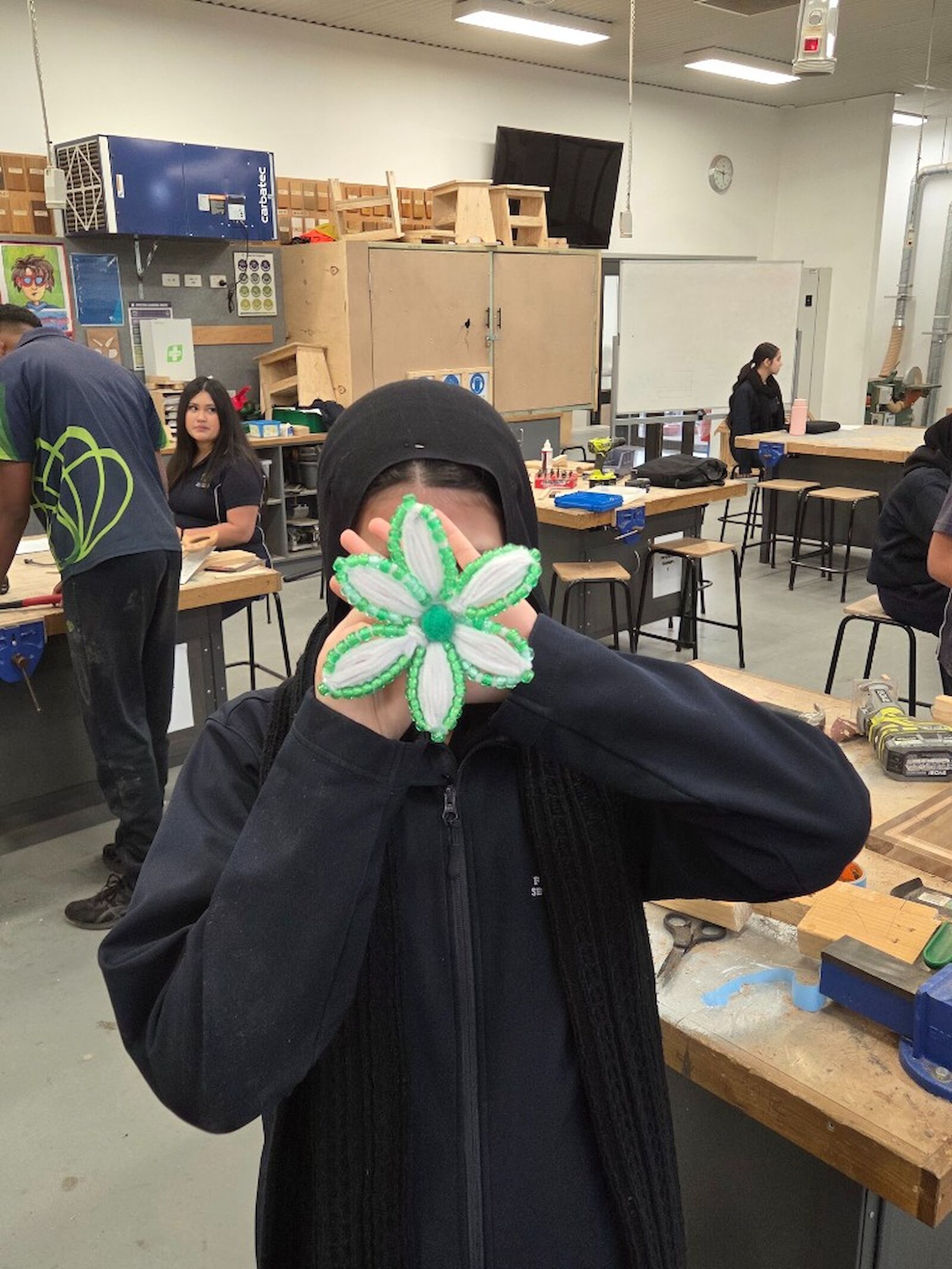
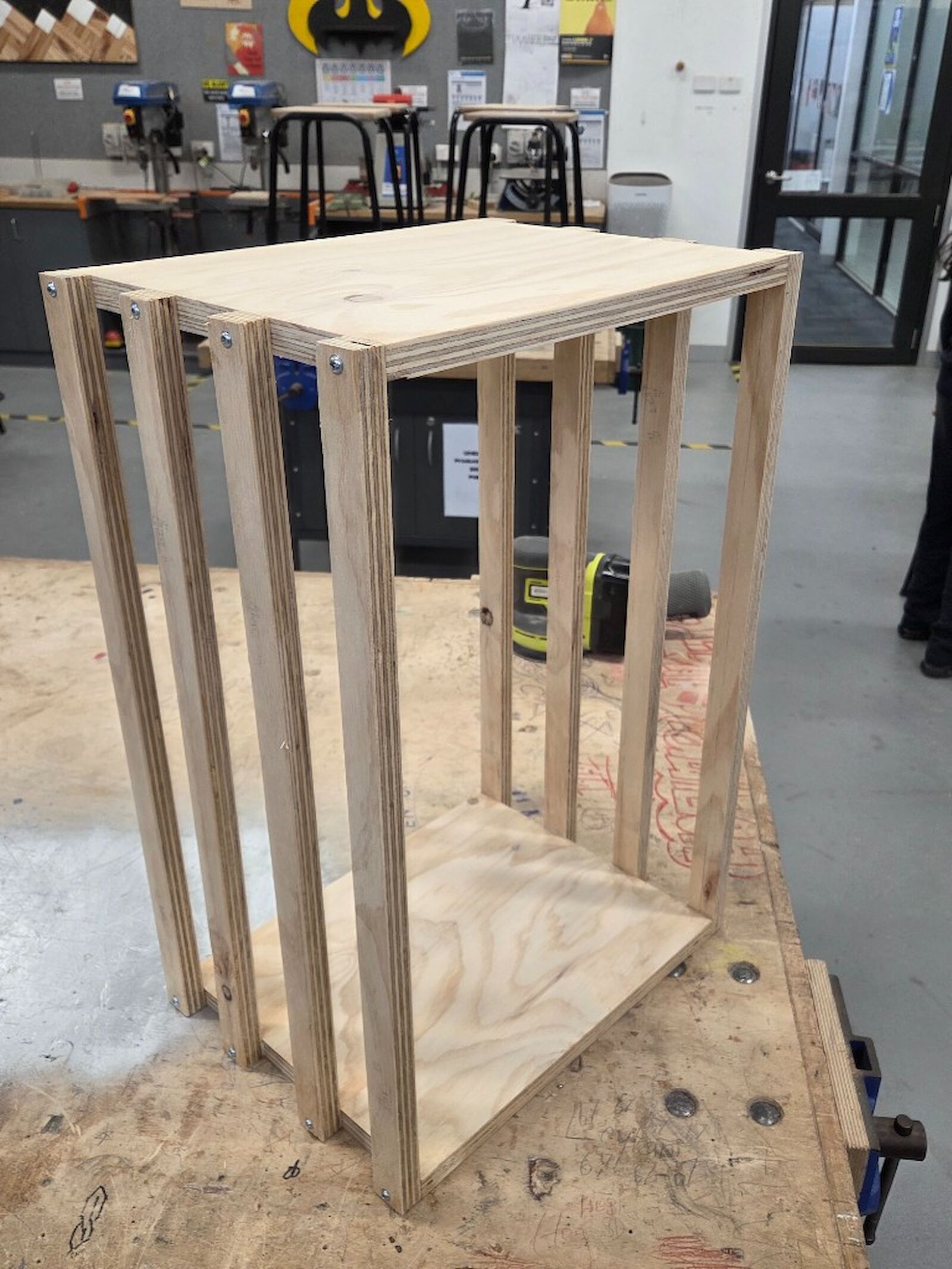
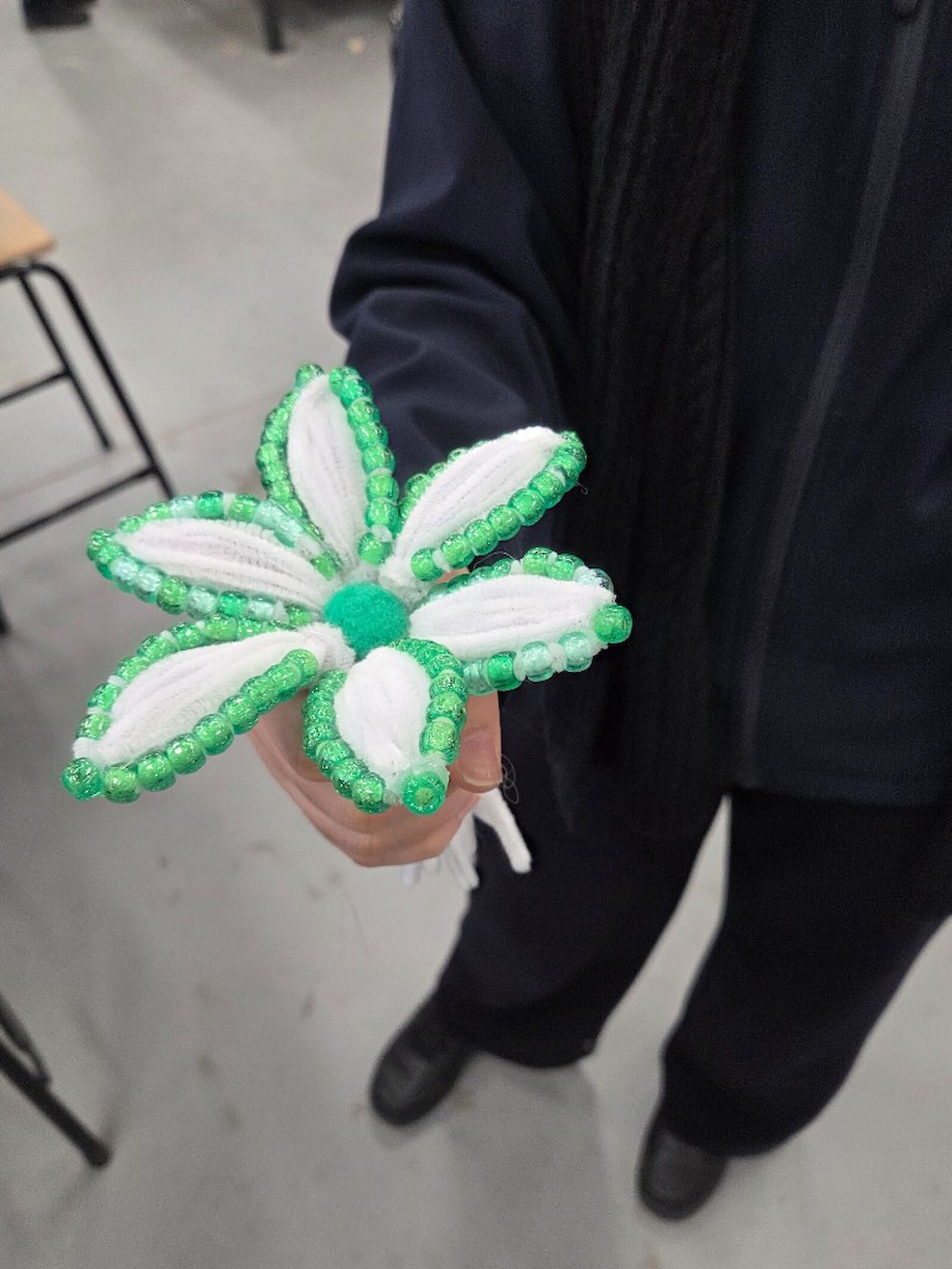
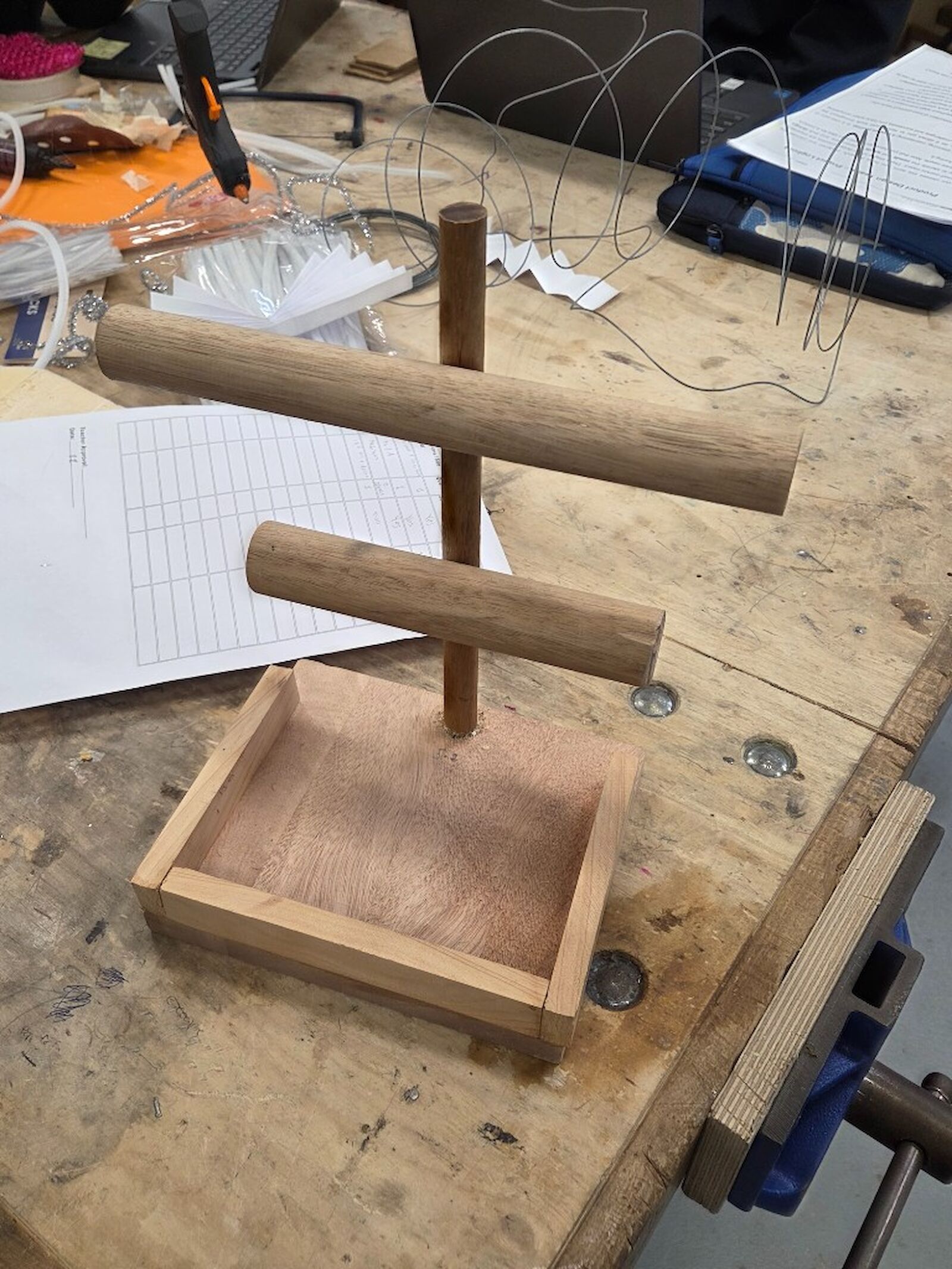
In Year 9 Product Design & Technology, students create designed solutions in response to an intended end user’s needs or opportunities. In partaking in the design process, students consider the sustainability of their ideas, designed solutions and processes. They communicate and document their projects and work both independently and collaboratively during the production process and adjust plans when necessary. They select and use appropriate technologies skillfully and safely to produce quality-designed solutions suitable for the intended purpose.
The course covers topics related to the use of wood, plastics and metals in the design and manufacture of a variety of products. Through theoretical study and practical projects, students gain skills in critical thinking, problem-solving, and collaboration. Additionally, students will gain practical experience in the use of a variety of materials, tools and techniques.
Ways you’ll learn these concepts include : Students will design, create and evaluate products following design-based thinking principles. You will gain practical experience with tools and equipment related to woodwork. You will also complete a variety of theoretical exercises relating to occupational health and safety in the design and creation of products and the safe use of woodwork tools/equipment.
How you’ll show your learning this term: working individually and in small groups to produce a portfolio of work relating to the design and manufacture of an individual woodwork-based project product. You will also complete a variety of different exercises to develop your skills in the use of tools, the creation of diagrams and the application of theory.
Ways you’ll learn these concepts include: Students will design, create and evaluate products following design-based thinking principles. You will gain practical experience with tools and equipment related to plastics and CAD manufacturing. You will also complete a variety of theoretical exercises relating to the sustainability of plastics as a material and the factors influencing additive manufacturing.
How you’ll show your learning this term: Working individually and in small groups to produce a portfolio of work relating to the design and manufacture of an individual CAD-based project product, which incorporates a variety of materials. You will also complete a variety of different exercises to develop your skills in the use of tools, the creation of diagrams and the application of theory.
Assessment 1: Use of woodworking skills to produce a Toolbox.
Assessment 2: Creation of a product using a variety of materials (wood, metals , plastics, etc) to meet an identified need/opportunity, using Computer-Aided Design (CAD).
General
Certificates