Visual Communication Design explores how designers communicate ideas through the design fields of:
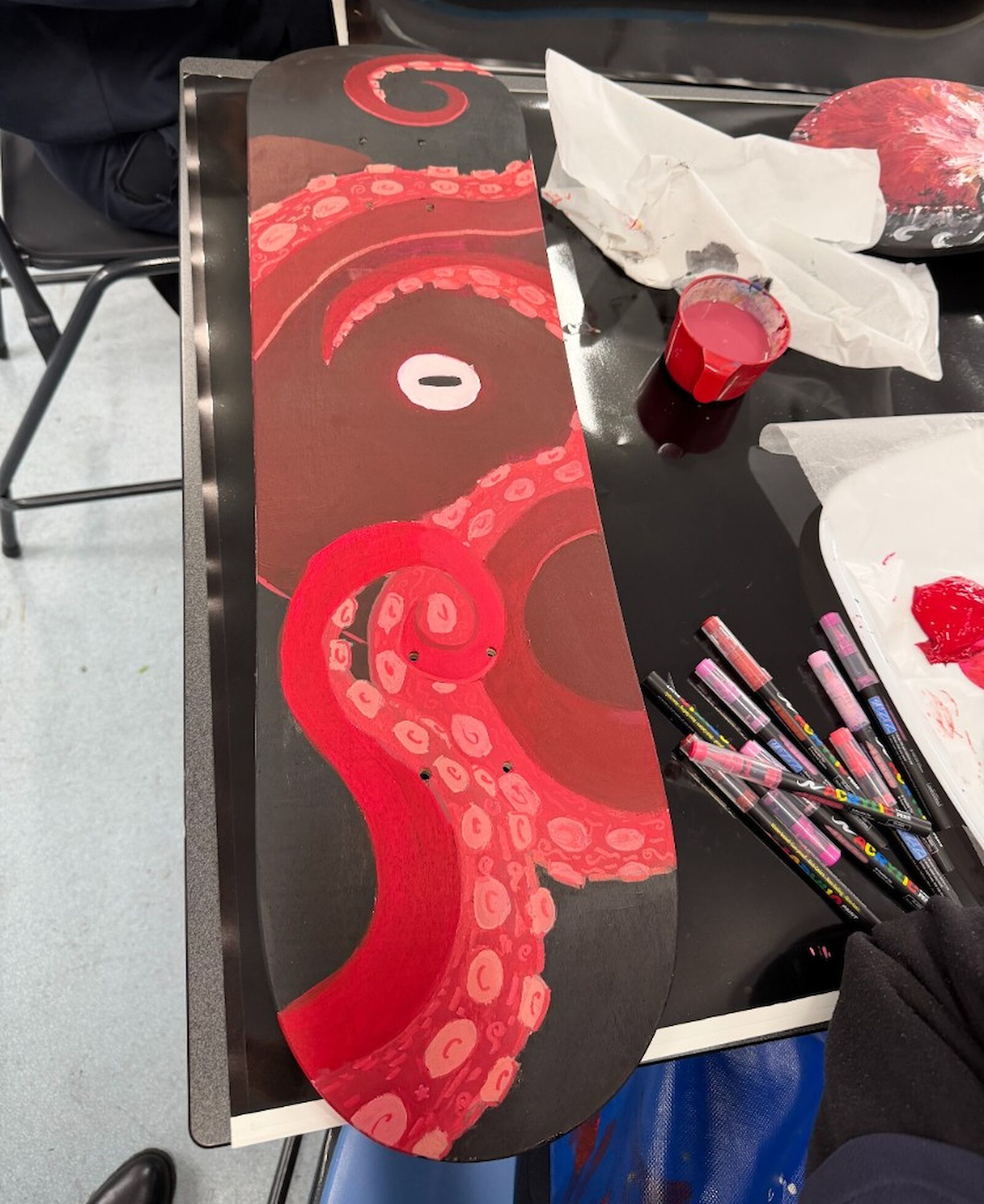
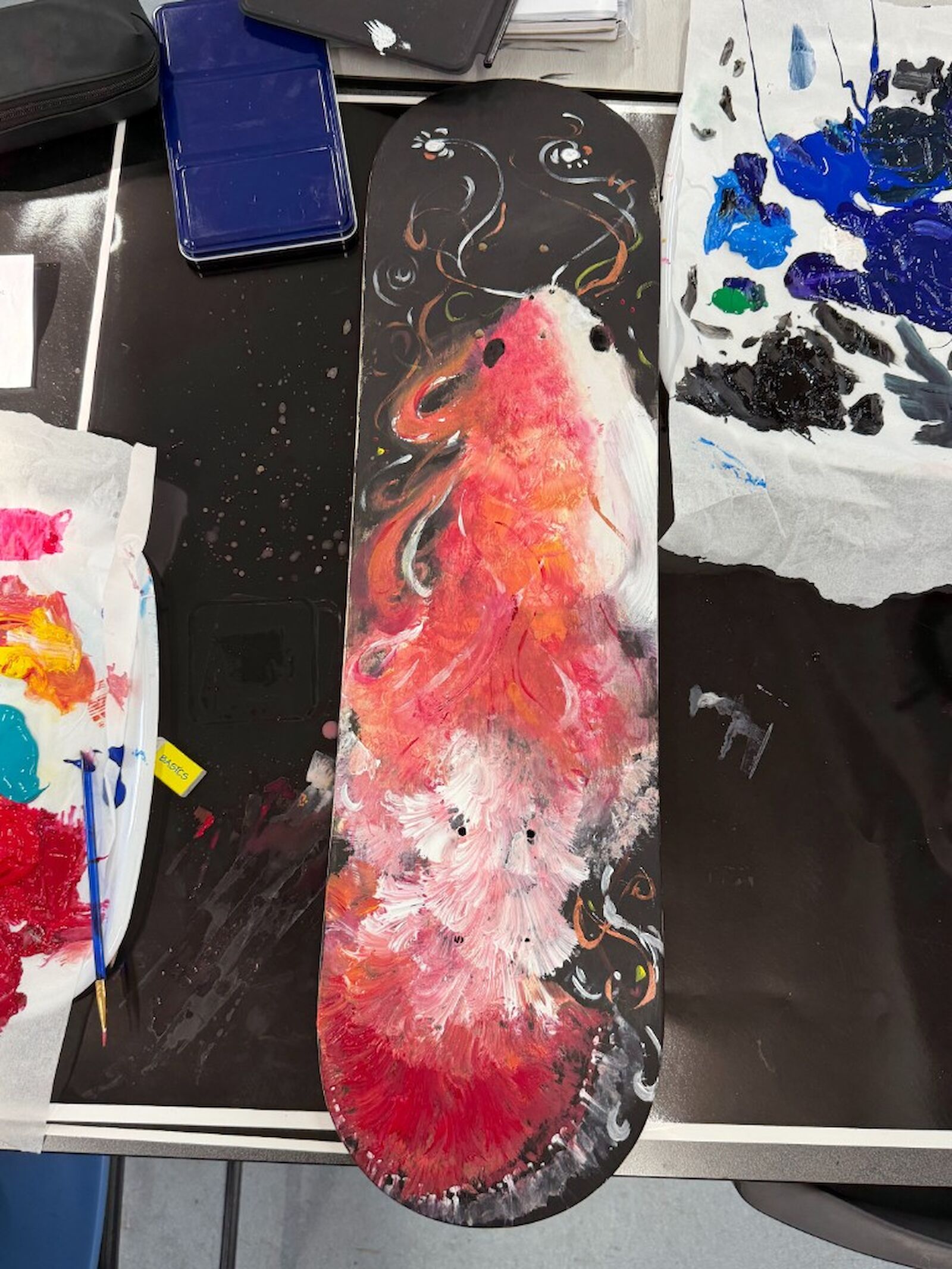
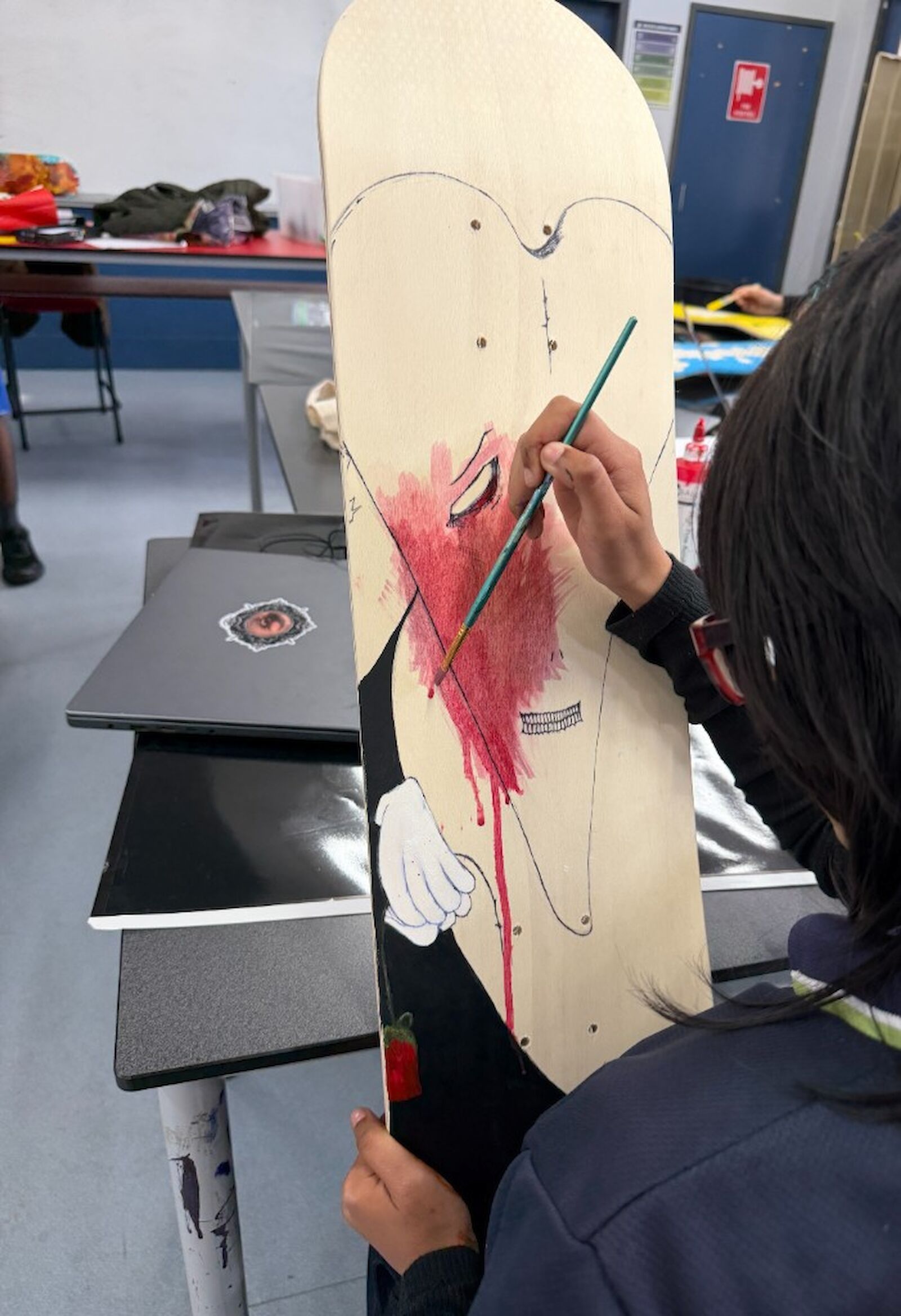
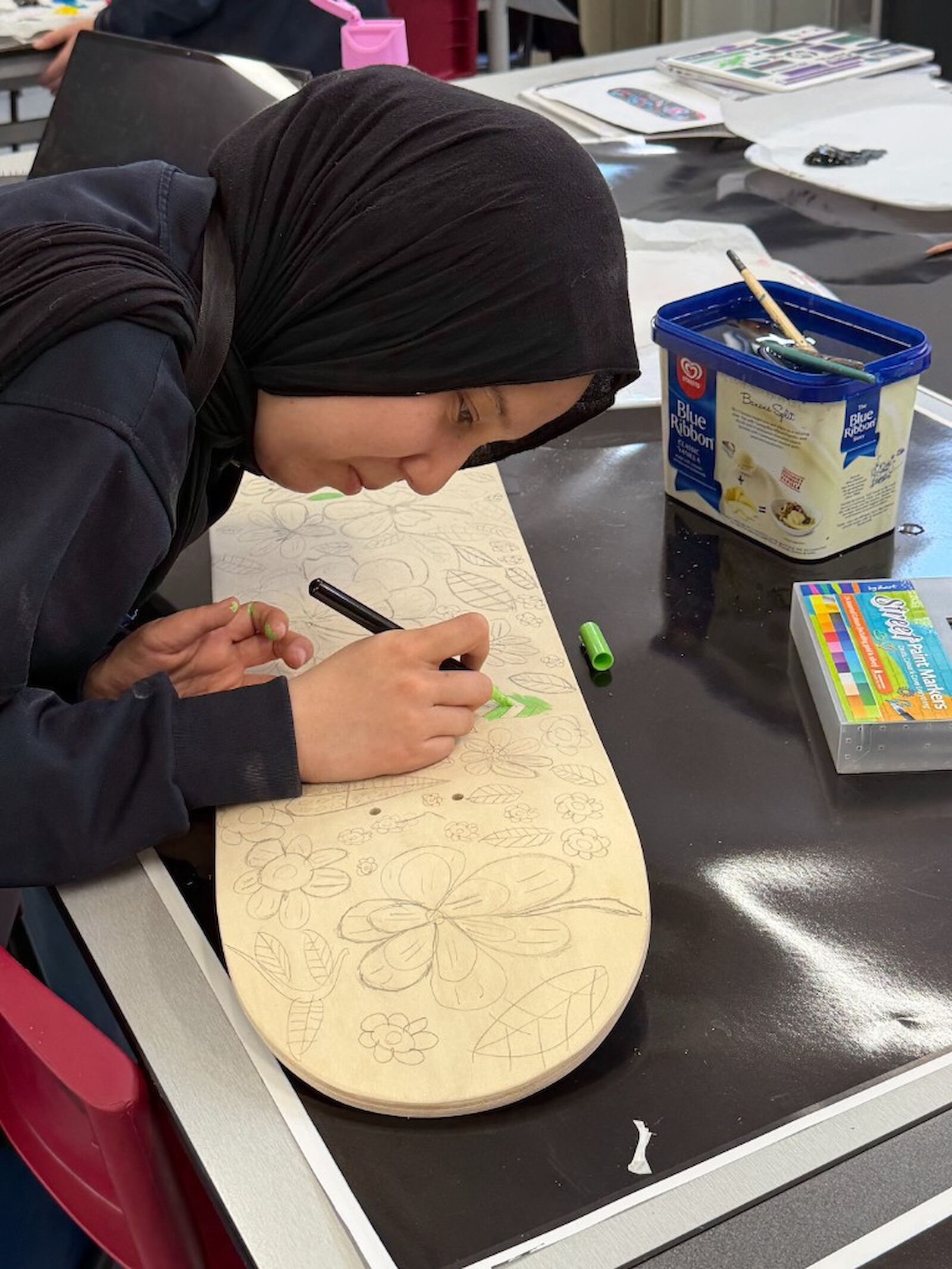
Students develop and apply the design process through creative projects, including designing and painting an original skateboard graphic onto a wooden skateboard deck while exploring contemporary branding, illustration and graphic design styles.
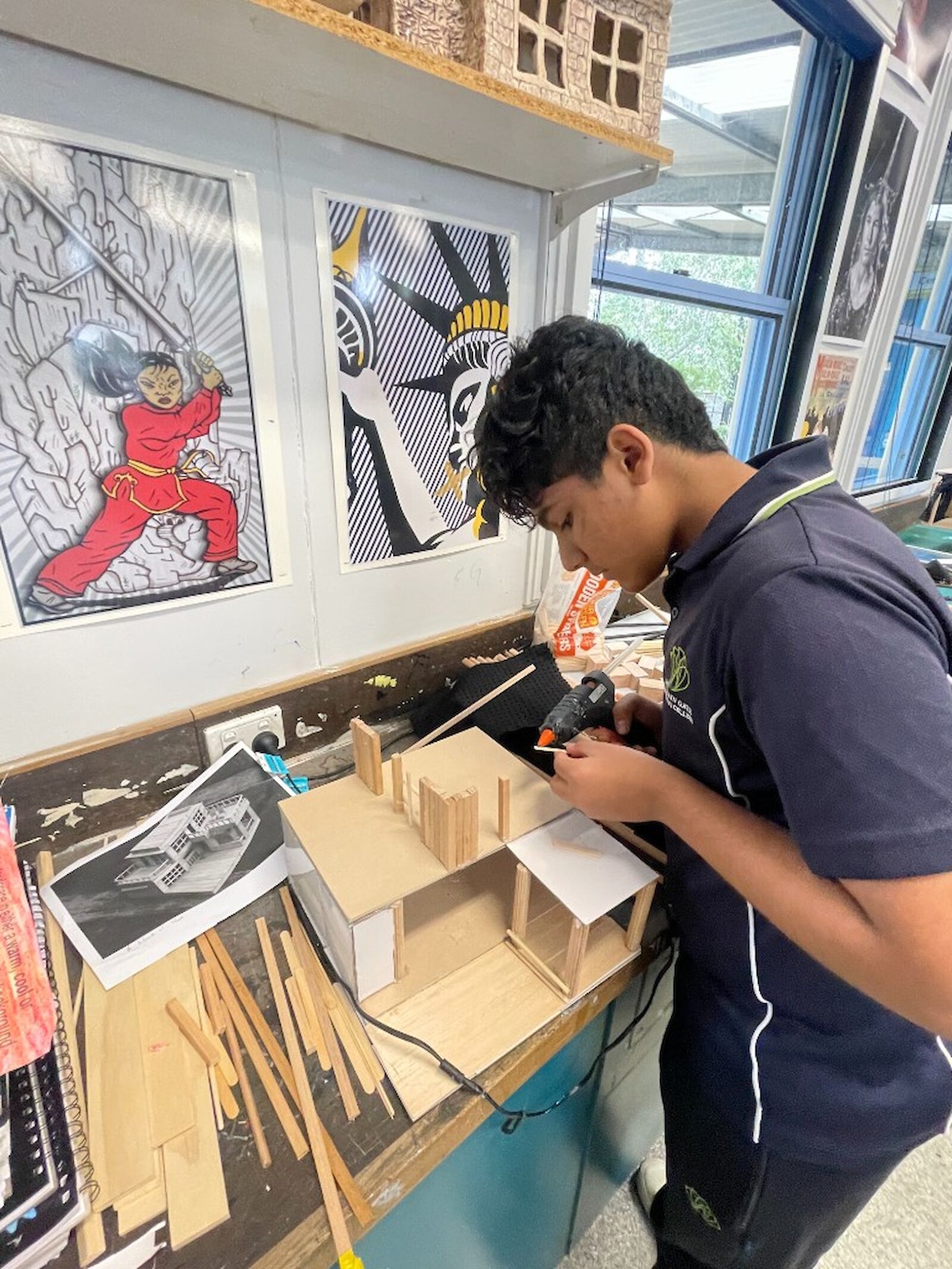
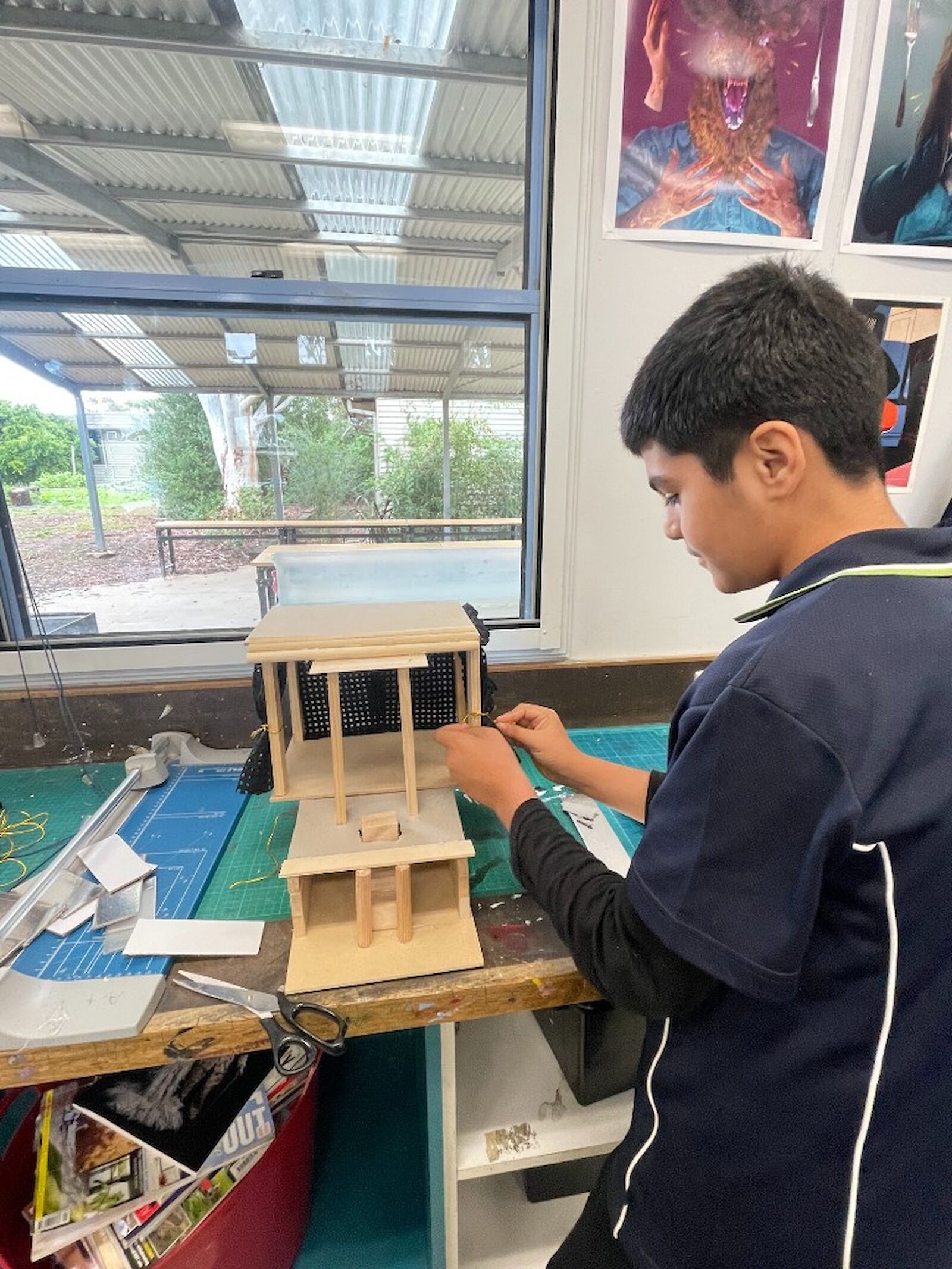
Students also complete a tiny house design project where they investigate architectural floor plans and perspective drawing conventions used by designers and architects.
Students will learn to generate, develop and refine design ideas using the Visual Communication Design process.
They will explore:
Students will develop illustration skills using materials including:
Students will learn techniques for:
Through projects such as skateboard design and architectural drawing, students develop creative thinking, technical drawing and problem-solving skills while learning how designers communicate to different audiences, purposes and contexts.
1 – Technical Drawing Conventions: Tiny House Design
2 – Message Design Field: Skateboard Design
General