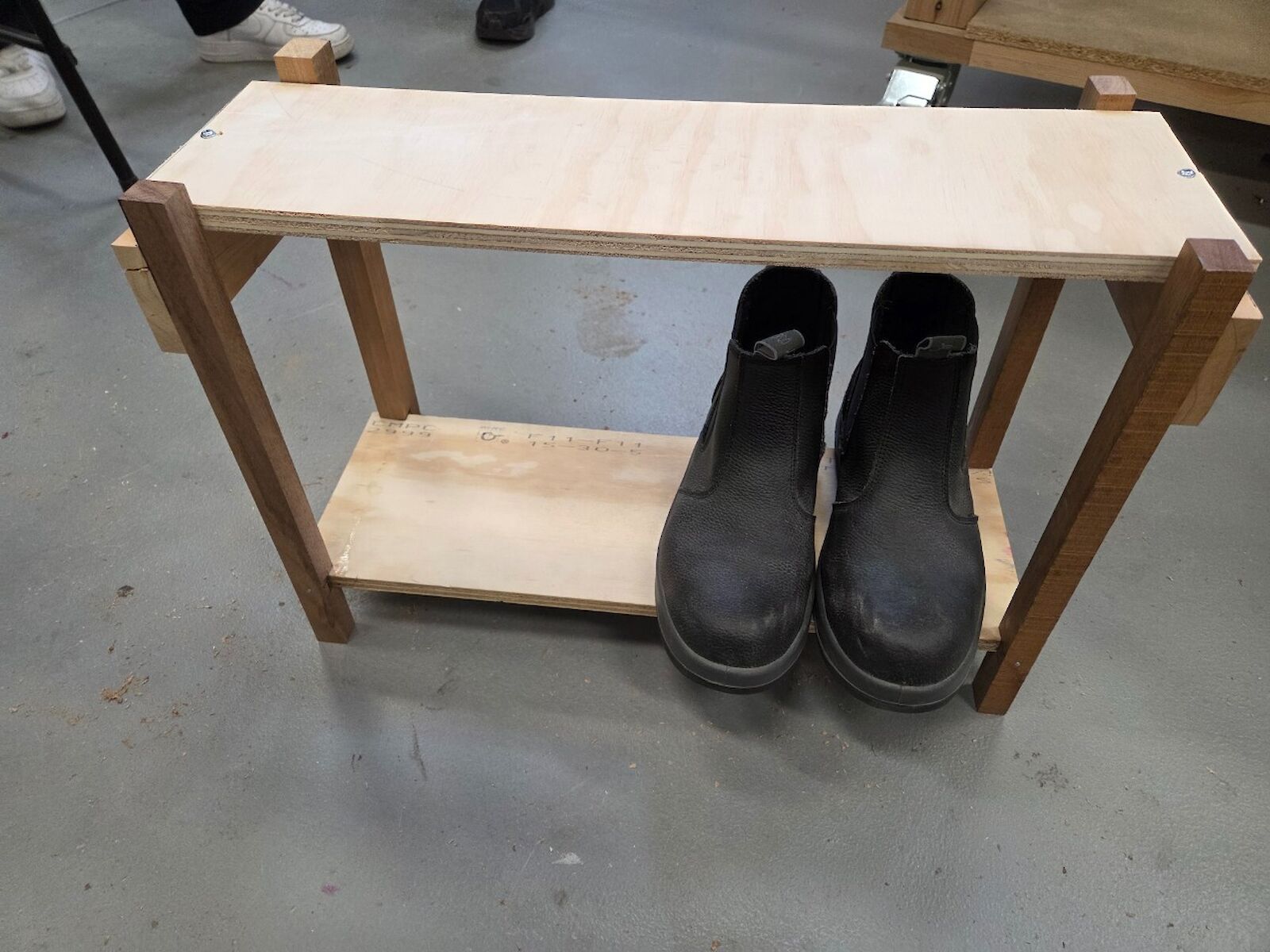
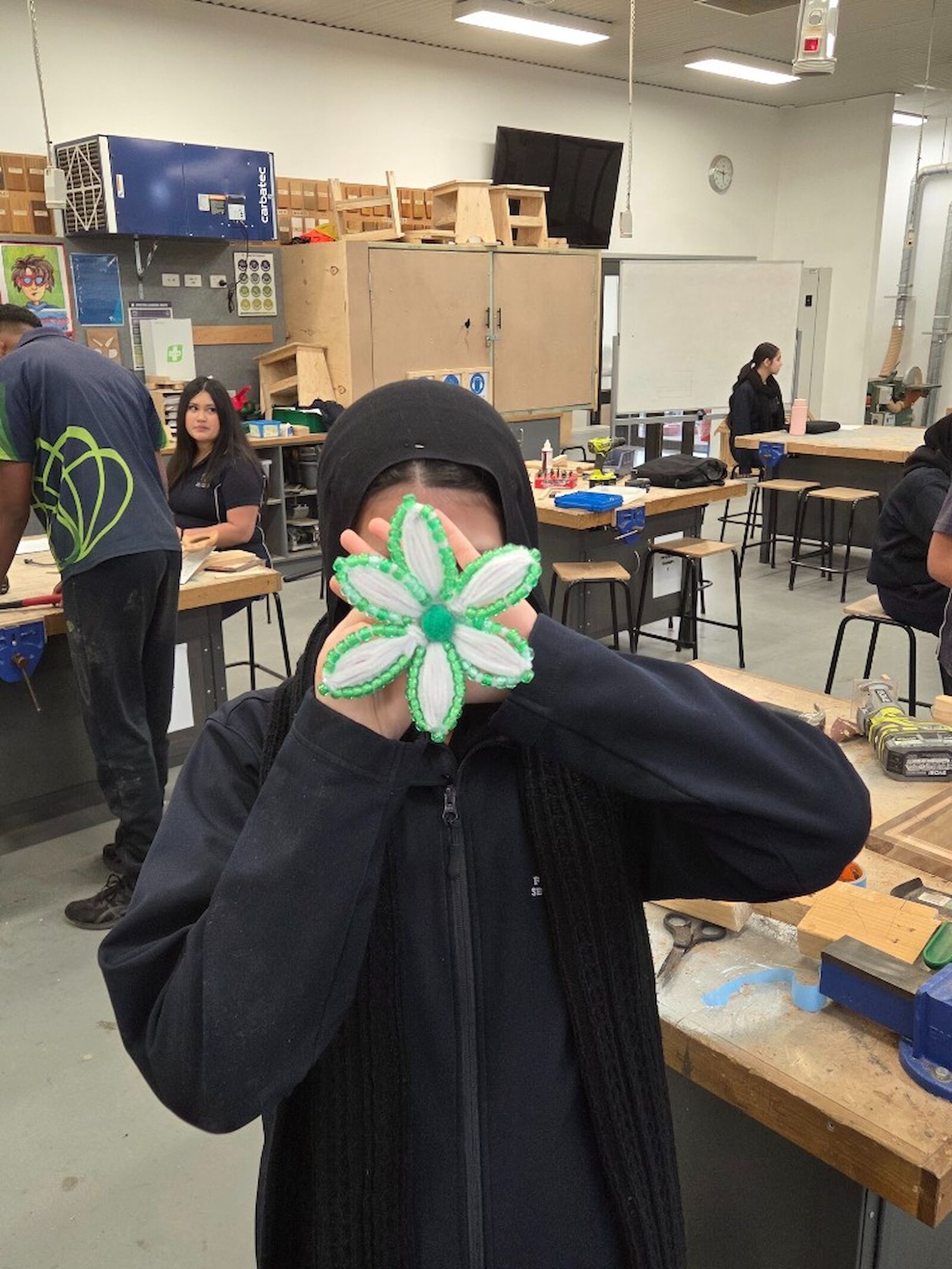
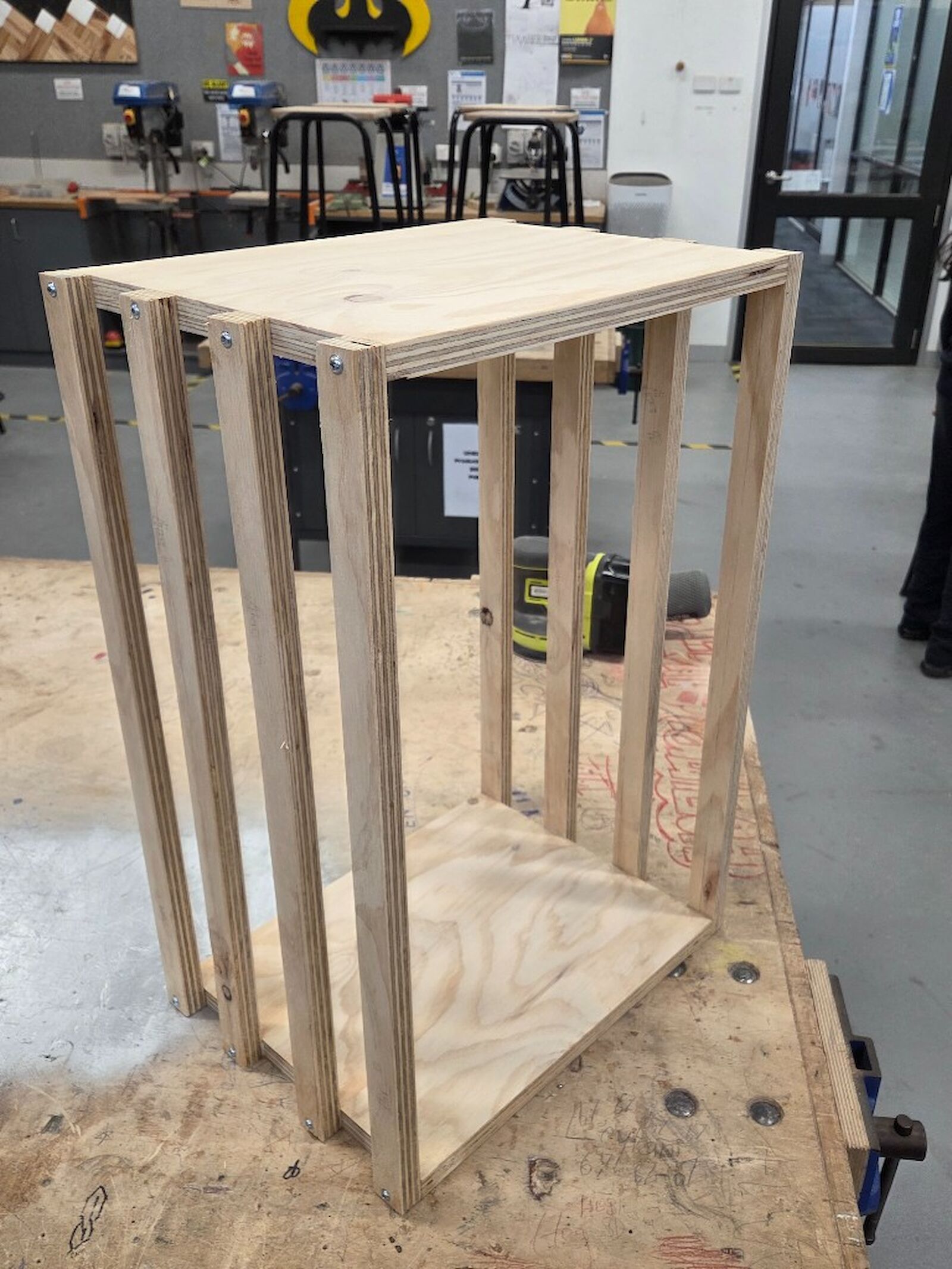
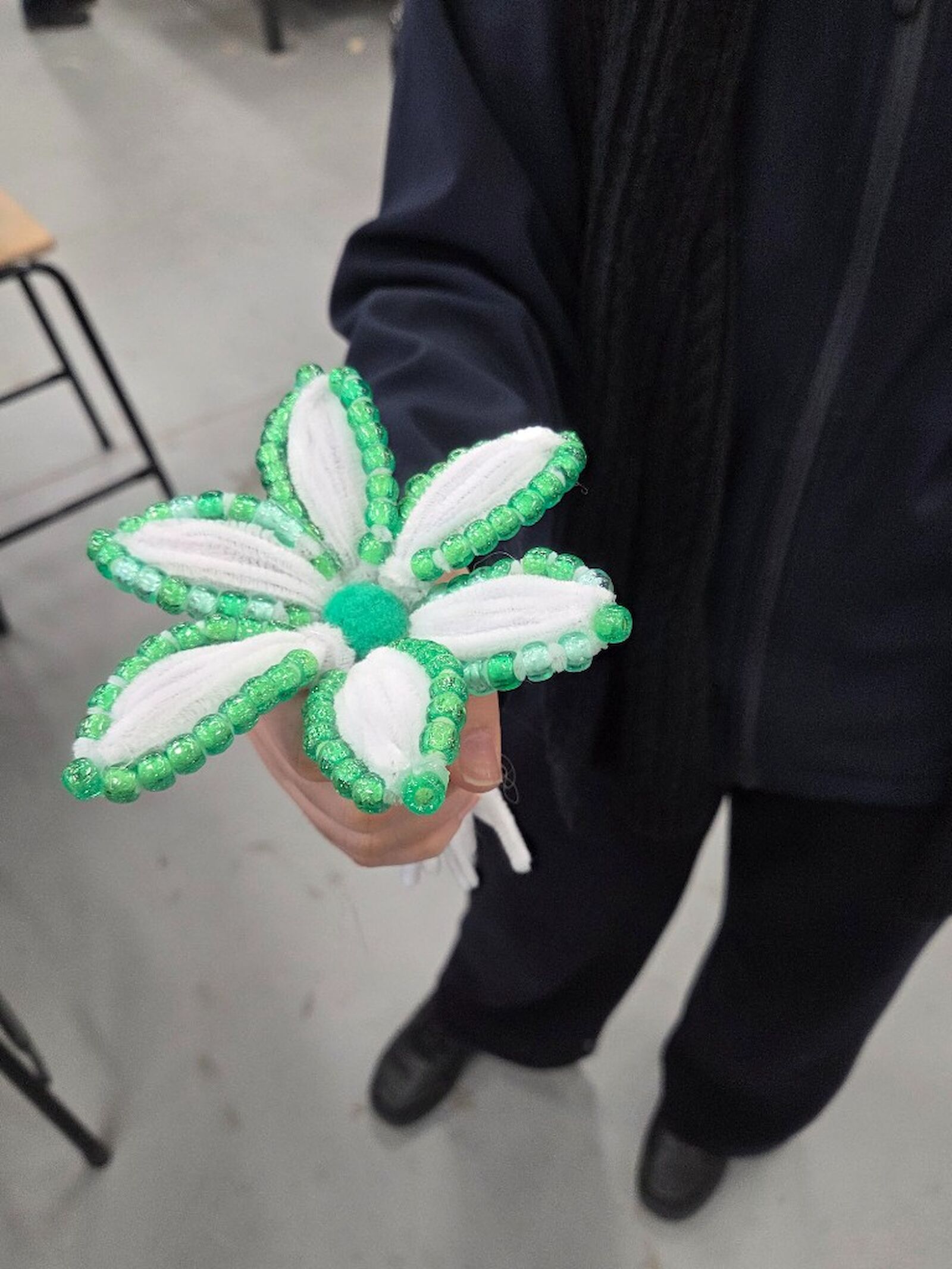
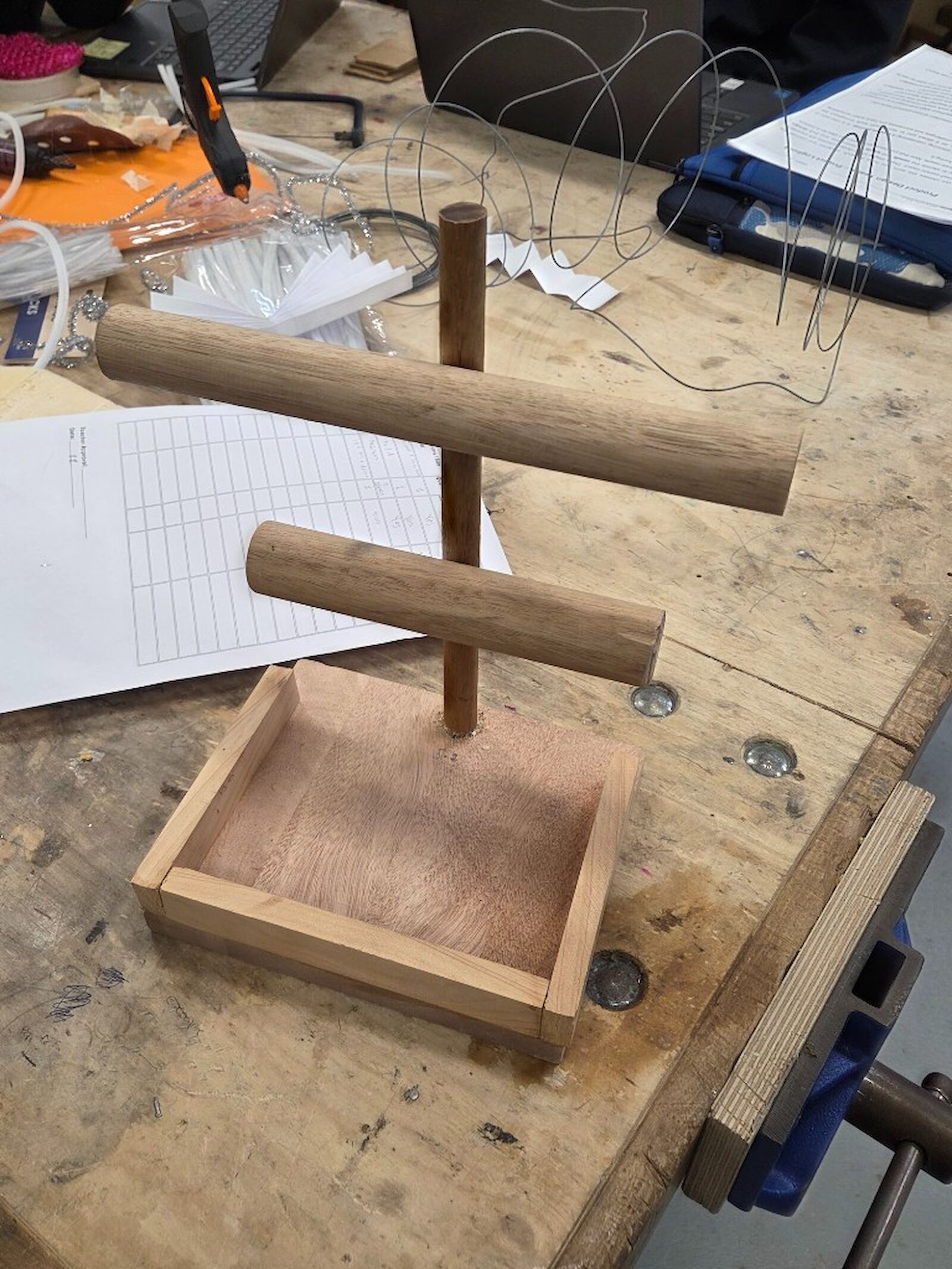
In Year 10 Product Design, students learn and explore concepts relating to the design, manufacture and evaluation of everyday products. Working in small groups and individually, students identify needs or opportunities, evaluate the features and assess the appropriateness of technologies to their purpose. Students create designed solutions for prescribed technologies based on a need or opportunity. Students communicate and document their projects both independently and collaboratively during the production process and adjust plans when necessary. They generate and connect design ideas and processes of increasing complexity and justify their decisions and document their work in the production of a portfolio of completed work.
The course covers topics related to the use of plastics, textiles and 3D modelling/manufacturing to the design and manufacture of a variety of products. Through theoretical study and practical projects, students gain skills in critical thinking, problem-solving, and collaboration. Additionally, students will gain practical experience in the use of a variety of different materials, tools and techniques.
Specific concepts covered this term: Health and Safety relating to the tools being used during these terms’ projects. Practical application of tools and techniques relating to fabrics and textiles, design-based thinking, including idea generation, concepting, drafting and production of products. Sustainability is related to sourcing resources and using products.
Ways you’ll learn these concepts include: Students will design, create and evaluate a product following design-based thinking principles. You will gain practical experience with tools and equipment related to fabrics and textiles. You will also complete a variety of theoretical exercises relating to occupational health and safety in the design and creation of products.
How you’ll show your learning this term: working individually and in small groups to produce a portfolio of work relating to the design and manufacture of an individual textiles-based project product. You will also complete a variety of different exercises to develop your skills in the use of tools, the creation of diagrams and the application of theory.
Specific concepts covered this term: Health and Safety relating to the tools being used during these terms’ projects. Practical application of tools and techniques relating to plastics and 3D manufacturing. Design-based thinking, including idea generation, concepting, drafting and production of products. Factors influencing the design and manufacturing of products using additive 3D manufacturing.
Ways you’ll learn these concepts include: Students will design, create and evaluate a product following design-based thinking principles. You will gain practical experience with tools and equipment related to plastics and CAD manufacturing. You will also complete a variety of theoretical exercises relating to the sustainability of plastics as a material and the factors influencing additive manufacturing.
How you’ll show your learning this term: working individually and in small groups to produce a portfolio of work relating to the design and manufacture of an individual plastics-based project product, which incorporates additive manufacturing. You will also complete a variety of different exercises to develop your skills in the use of tools, the creation of diagrams and the application of theory.
Assessment 1: Creation of a product using textiles to meet an identified need/opportunity.
Assessment 2: Creation of a product using plastics, computer-aided design (CAD) and 3D modelling to meet an identified need/opportunity.
General
Certificates